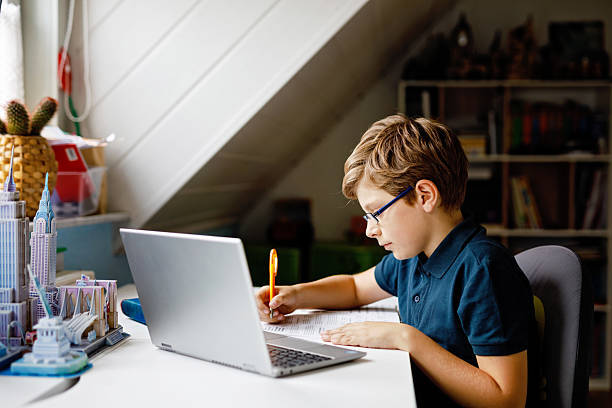
Education has changed rapidly over time; currently, many people now seem to think of virtual school as being an excellent option for learning instead of attending a physical school. Today, many educational entities use the Virtual International School system to provide students with the means for learning which allows students to connect through the Internet in new and unique ways. One of the biggest questions surrounding online education is whether or not it will provide the same opportunities to develop social skills as would attending a physical school. The fact of the matter is the best-designed c, especially those created by VIS provide students with plenty of opportunities to engage in teamwork, communicate and build relationships through project collaborations and other engaging activities/tasks.
Building Real Connections
Virtual schooling is often seen as an isolated environment for students who only interact with computers and not with anyone else. VIS provides a counter-argument to this belief through a structured series of online education programs focused on interaction between students. Students in these programs regularly communicate with each other and their educators via a variety of ways, including forums, webinars, and virtual breakout rooms. In addition, students develop new friendships and connections with individuals around the globe from various cultures.
Learning at VIS includes collaboration on a regular basis. Every course includes collaborative activity components that allow students to work together to create ideas, listen, and develop collective solutions to problems. These collaborative activities help to develop student teamwork capabilities and emotional intelligence. Developing this skill set will be essential to students as they become an integral part of the global society of the twenty-first century.
The Core of Collaborative Learning
Incorporating group projects into the curriculum at VIS allows students from many different ages to experience working in teams at an early age. A great example is through online preschool classes where preschoolers participate in virtual storytelling sessions where they create a story together, developing their skills in listening, empathy, and confidence. In addition to preschoolers, older students have the opportunity to engage in more complex projects. Some of these include creating digital presentations, operating a mock business or working together to research an issue on a global level.
In addition to providing students with a way to build self-confidence and develop listening skills while working in teams, these projects also help students develop leadership and accountability. Each student contributes to the overall success of the team as they collaborate together, similar to how we see collaboration increasing success in the workplace today. While collaborating with their peers, students will also learn to appreciate different perspectives and respect cultural diversity. Additionally, they will learn how to navigate the complexities involved when working in a group setting. All of these skills contribute to building social intelligence.
The Role of Teachers in Nurturing Social Skills
VIS teachers are responsible for more than teaching; they are responsible for developing the social dimension of their students. By providing online classes where everyone can communicate, connect, and belong, VIS teachers foster collaboration through the use of interactive technologies and well-designed activities that promote peer learning and critical thinking.
VIS teachers carefully monitor student-to-student interactions and ensure that group discussions are respectful and productive. This encouragement and support provide learners with tools they need to think critically, develop mature approaches toward disagreements and empathize with others, establishing a foundation for strong social connections.
Technology as a Tool for Connection
The Internet has introduced us to a new type of education that extends beyond traditional methods of video conferencing and online chat rooms. VIS provides students with opportunities to work with one another in a simulated environment that mimics how we would engage with one another face to face through collaboration in the use of various digital tools like interactive virtual classrooms, shared whiteboard sessions and the use of gaming techniques as part of team learning, enabling individuals to naturally connect with their peers, providing opportunities to bridge physical/digital interactions and offer a meaningful and socially fulfilling approach to learning.
In addition, technology today allows for global collaboration between individuals all over the globe. Students participating in the VIS program can collaborate with their classmates on collaborative projects with classmates in other regions of the world, providing them with culturally rich learning experiences and cultivating a global perspective. This is one of the great advantages of pursuing education in a virtual format,the social component, the ability to interact with global participants providing unique opportunities for social learning that would not be possible without the use of digital technology.
Encouraging Empathy and Global Citizenship
Social skill development is not the sole focus of VIS; students are also taught to appreciate different points of view while developing an understanding of some of the world's pressing problems and an awareness of Global Citizenship. In addition, students work collaboratively to create projects that highlight sustainable living, respect for diversity and preservation of cultural heritage.
Community-building activities are integrated into the curriculum at VIS. Through the use of virtual assemblies, virtual cultural celebrations, and virtual social clubs, students can connect with other students in various grades, enhancing their sense of belongingness to and spirit for, their school community. Careful educational design demonstrates that strong, authentic relationships can thrive in a digital environment.
Why VIS Stands Out
The Virtual International School is a model for how to use technology in the classroom to create an academically strong and socially active educational environment through online education programs. VIS's educational programs enable students to develop both individually and with the collaboration of other students, allowing each child to develop as a complete person. VIS sets the standard when it comes to the use of technology to create virtual learning environments that simulate, if not improve, upon the social dynamics in traditional classrooms, thanks to its collaborative tools, global project work, and supportive teacher guidance.
From online preschool classes and kindergarten through grade 12 and beyond, VIS provides ongoing opportunities for students to interact and share ideas, collaborate on projects, and learn about one another. These experiences foster the development of confident speakers, empathetic ears and engaged participants in both school and the world beyond.
The Future of Social Learning Online
The ongoing progress of technology will allow for even greater opportunities for collaboration online. VIS has shown that it is possible for virtual schools to help develop people’s intellectual competence as well as foster emotional intelligence when a structured, organized curriculum has been developed and the latest technological advances are used effectively to support productive learning and teaching processes. Further, VIS has demonstrated that the ability for an individual to develop their social skills does not require them to be physically present in an environment; rather, this ability depends on the purposefulness of their interactions with each other, on the quality of the interactions with their mentors and on the support of a learning community.
Based on the emerging and future successes of schools like VIS, the future of online education will be very bright. Schools will create future students who are not only capable of achieving high levels of academic success but also who will acquire the skills necessary to be rational and emotionally intelligent, global citizens who can thrive in a world that is connected by technology.